



Aloe Vera for our pets

Aloe Vera Produkte auch für Ihr Haustier!

Today more than ever, pet owners and breeders have to maintain a good standard of health for their animals. This includes animal medical care and the correct daily supply of nutrition. Often major health problems arise in animals because of over feeding and the mal-nutrition of essential basic nutrients. Too much food and an unbalanced diet often lead to obesity which incurs problems such as:

  • Energy loss
  • Problems with the musculoskeletal system
  • Skin disease
  • Damaged intestinal flora etc.

Internal Application

Adding aloe vera gel to pet food can ease a lot of problems with domestic animals; the plant is not a universal remedy but it does supply a reasonable amount of micronutrients which fulfil - within a holistic therapy - an important task in the prophylaxis, after treatment and accompanying treatment of illnesses.


Indications for application of the aloe vera drink gel:

  • Susceptibility for infections
  • Detoxification and drainage of metabolites from the whole organism
  • Strengthening and stimulation of the immune system
  • Intestinal fungi
  • Constipation
  • Supports with coughing infections (soothes dry cough)
  • Supports with chronic respiratory problems
  • Joint problems, good for the building up of cartilage and to ease pains and inflammations,  brings more vitality and well-being
  • Increases mental and physical fitness
  • Problems in the area of the urinary tract


The drinks are stimulating, encourage a good appetite and increase the energy potential and lust for life in your pet.

  • It bolsters regeneration, strengthens vitality and the immune system and helps prevent illnesses.
  • The gastrointestinal tract is especially strengthened.
  • Especially the gastrointestinal area is supported and therefore has a posetive effect on the overall condition.
  • There has also been considerable success in the easing of allergies (summer eczema), constipation, metabolic problems, joint pains etc.

External application

Externally applied aloe vera is ideal for the care of cat fur, dog skin, horses and other domestic pets. The skin of an animal must be resilient; it has to be protected against environmental influences such as

  • Heat, cold and moist
  • Against dirt and toxins
  • Bacteria and parasites
  • Protect the body from bad UV rays


Imbalances of the skin, which consists of several layers and cell types, can result in serious illnesses in the form of infections and allergies. With almost all kinds of skin irritations, aloe vera can be applied as a soothing healing support. The unique combination of the aloe vera compounds accelerates the healing process with injuries such as

  • Burns, cuts and abrasions
  •  Eczema, abscesses and ulcers


With repeated applications of aloe vera even old scar tissue can be lightened and become more supple and even.


Effects:

  • Supports the healing of wounds
  • Anti-inflammatory
  • Enhances blood circulation
  • Moisturises
  • Decongestant and cooling
  • Eases pain quickly
  • Stops bleedings and irritation
  • Antibacterial
  • Antifungal
  • Antiviral
  • Partly moderately anti-parasites (mosquitoes, flees, ticks)
  • Mild care for a shiny fur and relaxed skin


Examples for self-help

Intestinal cleansing for dogs

Aloe vera is especially effective in the cleansing of the dog’s intestine. For the drainage and complete detoxification a dog requires a daily dosage for at least three months of 1 ml pure aloe vera juice per kilogram body weight mixed together with the food. Example: a 30 kg dog is administered 30 ml juice per day.

Skin and fur care

Aloe vera is perfectly suitable for the daily skin and fur care. Before brushing spray the fur with aloe vera, massage into skin and let soak for a short time. Afterwards, especially long matted fur can be brushed more easily and it takes on a shiny revitalised look. Aloe vera spray can be used as a natural defence against mosquitos’ fleas and ticks; simply spray your dog just before walking. If your dog does not like the spraying noise just massage the veterinary mixture into the skin of the dog.


First aid with wounds

All animals are prone to injury – be it whilst playing in nature or perhaps in a scuffle with one of their own species. Injuries should firstly be thoroughly cleansed with water and a mild aloe vera shampoo or soap, this avoids secondary infections that could occur due to remaining foreign bodies in the wound (dirt, sand, small stones, glued fur, etc.). After this careful pre-treatment then apply the aloe vera gel, the wound will heal three times faster than with any other conventional product. The gel’s remarkable healing qualities accelerate the process of cell renewal and prevent further infections.


Recommended dosage

For a gel that consists of minimum 80% pure aloe vera (daily minimum dosage):


Animal

Weight

Daily minimum aloe amount

hamster, mouse

50 - 100 g

2 ml

Rat, chinchilla, guinea pig, rabbits  

400 g - 2 kg

4 ml

cat

3 - 6 kg

10 - 20 ml

dog

je 1 kg

1 ml

sheep, pig

Approx. 150 kg

100 - 120 ml

cow

Approx. 500 kg

200 - 250 ml

hourse

Approx. 500 kg

200 - 250 ml

calf, foal, pony

100 - 200 kg

100 - 150 ml

History - Aloe Vera and veterinary medicine

How it began...

In the 18th century aloe vera was successfully used to combat a number of horse ailments and because of its positive results it earned itself the name “horse aloe”.  
In 1840, the two blacksmiths George Skevington and F. D. Day both published their positive findings on the application of aloe vera. The publication reported on the success rate of the aloe vera treatment on various horse illnesses such as mallenders, psora, allergic skin conditions such as summer eczema and also on the remarkable healing effect on gastrointestinal tract and other parasitic diseases.

In 1950, for the first time Aloe vera was featured in an influential veterinary medical magazine. The report was made by a team of accomplished researchers who documented the positive antibacterial effects of the healing plant.

In relation to animal healing 1975 was a milestone in the history of aloe vera.
Dr Robert T. Northway from California, USA, completed the first official clinical study on the internal application of aloe vera. Over a period of six years, Dr Northway studied the effect of orally ingested aloe vera on 42 dogs, 25 cats and 4 horses. The plant’s anti-inflammatory characteristics worked on acute, chronic and bacterial infections. The Aloe halted the spreading of most yeast fungi ailments such as Candida and the bacteria staphylococcus, streptococcus and corynebacterium.  In 67 out of the 71 cases, Dr Northway’s positive results were as good as or even better than those of the classical therapy. Moreover, he could not detect any side effects. In 1996, Peter Green, an English veterinarian, successfully used aloe vera to treat what was then a relatively unknown illness PVLS (Post Viral Lethargy Syndrome) in horses. PVLS was described as a chronic state of exhaustion; however, the symptoms were not clearly confirmed. In addition to Peter Green, David Urch another English veterinarian likewise celebrated overwhelming successful results on the aloe vera internal treatment of PVLS.  His remarkable healing rate of success was 83% in all cases.


For a comparison:

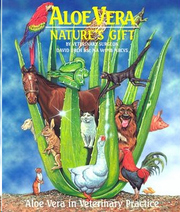
In the long term application of the established classic medical products, the symptoms were eased in only 40% of the cases. David Urch published the results of his one year study on the effects of aloe vera as animal medication in his 1999 book "Aloe Vera - Nature's Gift. Aloe Vera in Veterinary Practice". The book is now a standard classic that documents the extraordinary healing success with both domestic and farm animals.

(Source: Ratgeber "Aloe Vera - Mehr Gesundheit und Vitalität für Tiere", Michaela Krenz)